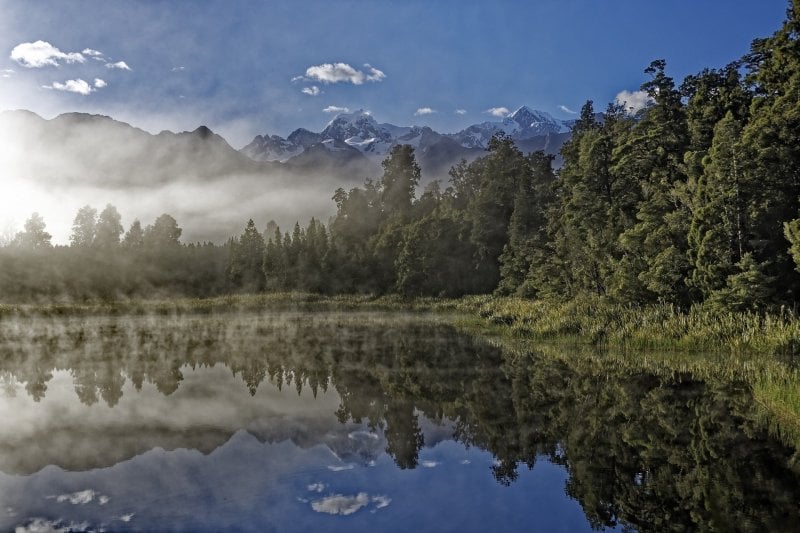
Forestry is undoubtedly a massive industry in New Zealand and brings in up to 10 percent of the country's revenue. Indeed, the most common tree is the Monterey pine, and readers of this blog will come to understand how it became established in the 19th century. Over a quarter of the timber products are exported to Australia. Interesting articles cover deforestation and the opposition to native forest logging, which has led to protests in New Zealand. Conservation is now high on the agenda in the interests of biodiversity, retaining habitats, recreation, and heritage.
New Zealand is well-known for its lush greenery, and many people visit the country to see the wildlife that is rife in the forests. In fact, the wildlife is so famous that you’ll even see it featured in pop culture, like online pokies. If you’re unfamiliar with the exciting animals hiding in the forests, let’s go on a journey.
Birds
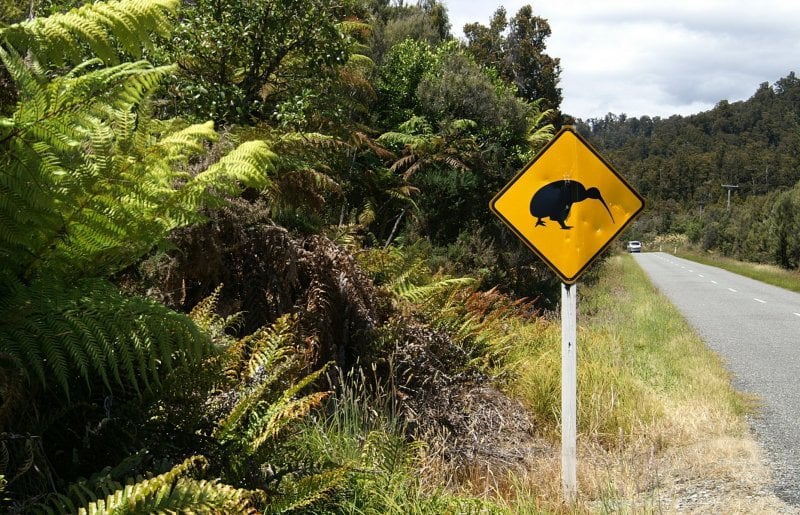
New Zealand has some interesting bird species. The most well-known is undoubtedly the kiwi, a unique, flightless bird. These little birds have feathers that hang loosely from its body, almost like hair. These tiny birds might look cute, but they are territorial and can be pretty fierce. There are five subspecies of kiwi, all of which are endangered. Some organisations actively work to conserve this little bird through taking protective measures against non-native predators, and taking eggs and raising the chicks in ‘kiwi creches’.
The kakapo is another flightless bird in the parrot family. It’s nocturnal and grow to be quite big, with males weighing in at 2.2kg.
Another interesting bird is the kea, a highly intelligent bird that has been seen attacking cars to gather small pieces of rubber. They look very much like parrots and are also, sadly, endangered. These birds are mischievous and have had all sorts of interesting interactions with people. This is part of the reason why many people deliberately kill the bird.
Sea Life
Dolphin watching is a fantastic pastime in New Zealand. You can spot some endemic dolphins to New Zealand, like the Maui and Hector’s dolphins. There are also plenty of turtles, shark, and sea snakes for which to look out. The spotted black grouper is another fish species that you won’t find anywhere else in the world. There are about 66 different species of shark found in the waters surrounding New Zealand. There are also seals and sea lions that you could spot, and whale watching is another popular pastime.
Land Animals
Tuatara is lizards that are only found in New Zealand. They are medium-sized and the last known survivors of the species Sphenodontia, a rife species in the days of the dinosaur. All other species died out about 60 million years ago. There are many other interesting lizard and frog species for which you need to keep an eye out.
Many people dislike bats, but these little flying mammals play an important role in the ecosystem and are the only native land mammals in New Zealand. You’ll see the long-tailed bat, as well as the lesser short-tailed bat. Both of these are critically endangered. According to Maori folklore, bats foretell disasters and death.
Many invertebrate species are native to the country. If you enjoy entomology, you can look for all the different snail species, freshwater insects, the weka, and various other interesting critters.
To Sum Up
While New Zealand is well-known for the film trilogy The Lord of the Rings, there are so much more to see in the country. Unfortunately, most of the endemic species are endangered. If you enjoy learning more about the native forest life, you should travel around the country and enjoy what this beautiful landscape offers and learn more about how you can help conservation efforts.
When it comes to conservation in New Zealand, preserving native wildlife and forests is of high importance. Those who are interested in joining this worthwhile campaign will find many organizations looking for volunteers. One to consider is Forest & Bird, which oversees many projects.
New Zealand was initially almost entirely covered in forest when the first Europeans arrived, and they made short work of clearing it. Thus, there was plenty of timber available for building homes. However, this was nothing new, as the native Maoris had been doing this for years.
New Zealand is home to some of the oldest trees globally, and many of them can be found in the Waipoua forest. This fascinating area is also the habitat of some rare birds and makes for a spectacular day out for all the family.